
Who We Are
Guided By Care for Over 45 Years
For nearly five decades, Arlington Animal Clinic has been a cornerstone of modern veterinary care in our community, earning a reputation for trustworthiness and excellence. Our dedication to your pet's health and happiness drives our approach to every appointment and treatment. From routine check-ups to advanced therapies, we deliver comprehensive and progressive care designed to meet the individual needs of your beloved companion.
Compassionate Team: Our dedicated veterinarians and team are passionate about animals and treat every pet as if they were our own.
Safe and Welcoming Environment: We've designed our clinic to be a comfortable and secure space where pets and their owners can feel at ease.
Personalized Care: Your pet is unique, and we believe their care should be too. We take the time to understand your pet's individual needs and provide customized treatment plans.
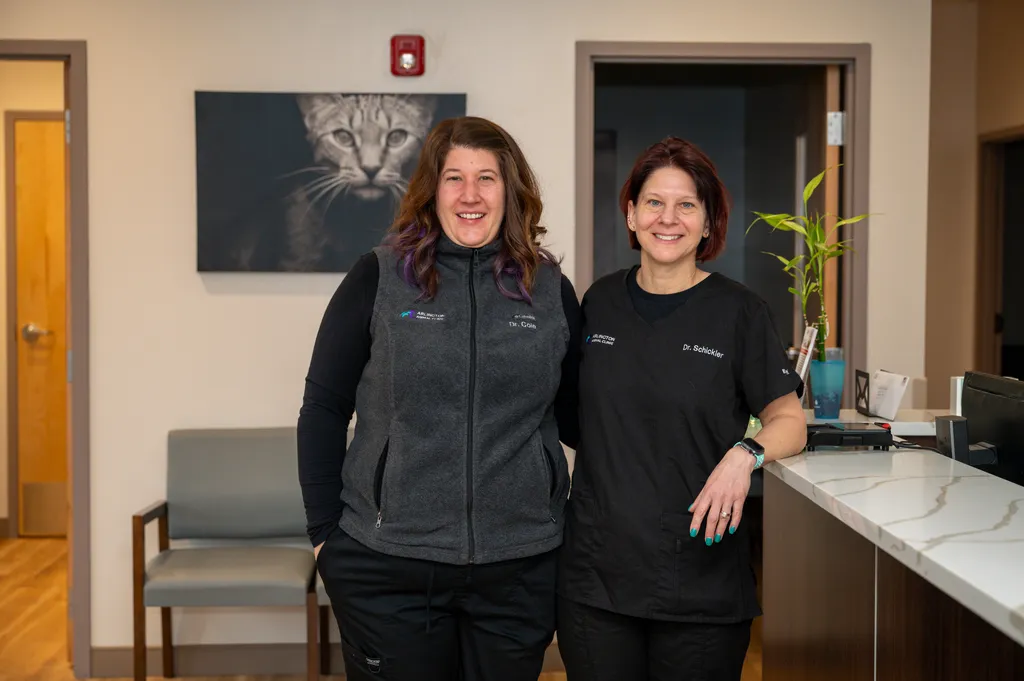
A Stress-Free Haven
At Arlington Animal Clinic, we prioritize creating a tranquil sanctuary for pets and their owners. Our commitment to low-stress handling and Cat Friendly Certification ensures a calming experience for all.
Low-Stress Handling
We prioritize gentle techniques for your pet's comfort.
Cat-Friendly Certified Professionals
We understand and meet the unique needs of our feline patients.
Welcoming Atmosphere
We open our arms to pets of all kinds, ensuring every visit feels like home.
How can we help
Services we offer
Discover Arlington Animal Clinic as your reliable partner in pet care. Our comprehensive veterinary services cater to the diverse needs of your cherished companions, from routine wellness check-ups to specialized treatments. With a dedicated team of compassionate professionals, we prioritize your pet's well-being while ensuring a stress-free experience for both you and your beloved animals. Experience personalized care and expertise that goes beyond the ordinary, and let us make a difference in your pet's health journey today.
View All ServicesCaring Professionals
Meet our team
At Arlington Animal Clinic, our dedicated team of caring professionals shares a deep passion for animals and nature. We understand the special bond between pets and their owners because we're pet parents ourselves.With creativity, compassion, and a down-to-earth approach, we strive to provide exceptional veterinary care that reflects our love for animals.
Veterinarians
Our veterinarians bring a wealth of knowledge, dedication, and compassion to every patient they serve. With extensive experience and a shared commitment to excellence, they ensure that your pets receive the highest standard of care.
What people say
Testimonials
At Arlington Animal Clinic, our clients’ satisfaction and their pets' well-being are our top priorities. Hear from our community of pet parents who trust us to provide exceptional, compassionate care for their beloved companions. We're proud of the lasting relationships we build with both pets and their owners, creating a supportive and nurturing environment for all.
View AllStay up to date
Articles and News
Stay informed with Arlington Animal Clinic’s blog, where we share expert tips, insightful articles, and the latest in veterinary care. Our blog is dedicated to helping you keep your pets healthy, happy, and thriving with up-to-date information and advice from our compassionate team. Discover a wealth of knowledge to support you in providing the best care for your beloved companions.
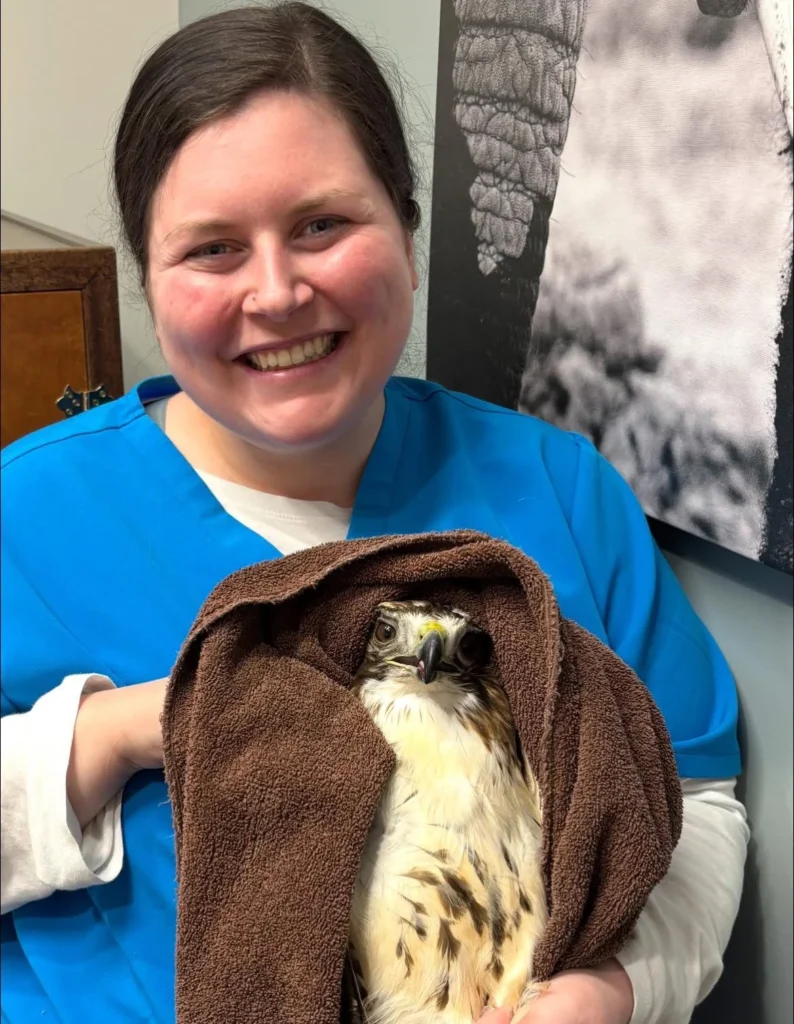
Bird Veterinarian Near Concord, MA: When Your Pet Bird Needs Medical Care
Birds are intelligent, sensitive companions that often hide signs of illness until they are very…
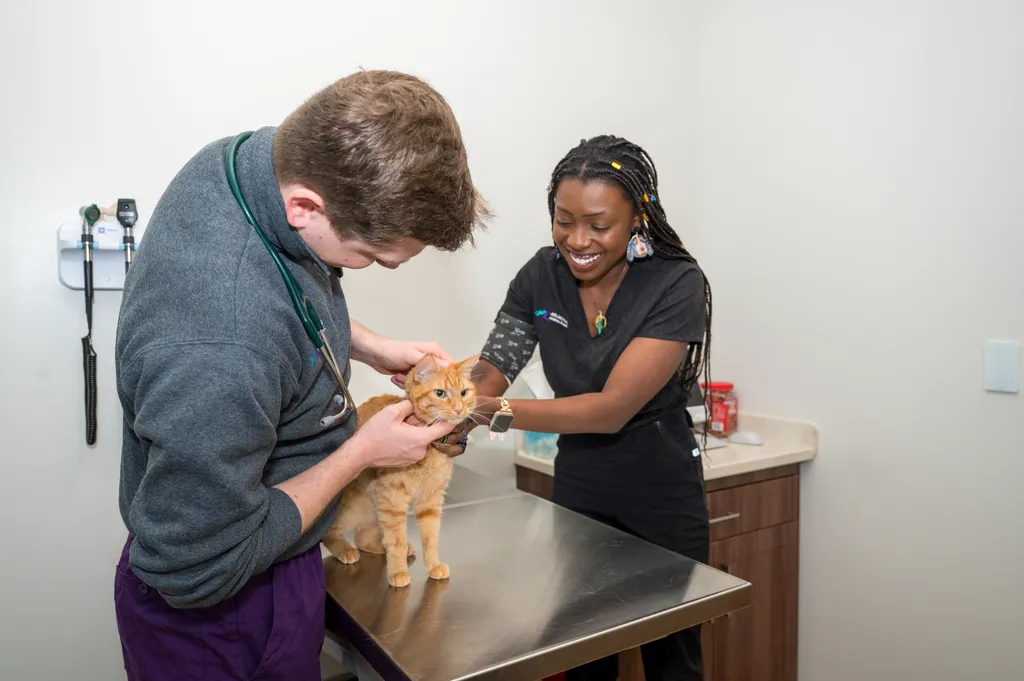
Why Regular Vet Visits Are Important Even for Healthy Pets
If your pet seems perfectly healthy, it's easy to wonder: Do we really need to…